
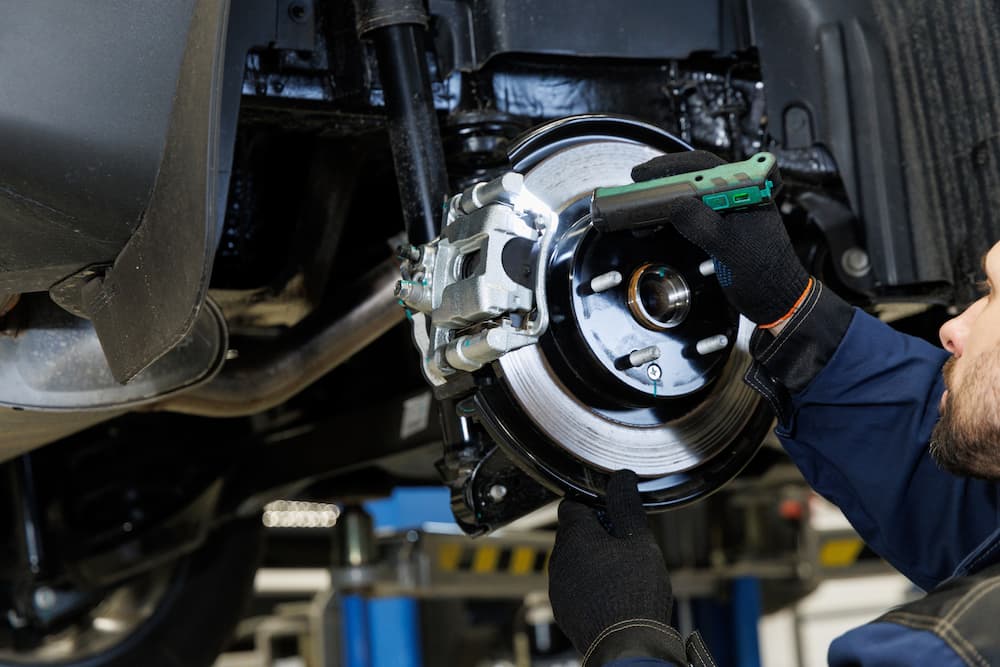
When it comes to vehicle safety, insist on more than a quick fix—insist on expertise, precision engineering, and honest service. That’s what McKinney drivers experience with auto brake repairs in McKinney TX, at Elite Performance Automotive. Located on Industrial Boulevard, Elite Performance Automotive has built a reputation for honesty, technical excellence, and customer-first service.
Your brakes are not just another car component. They are the mechanical system most responsible for your safety every time you hit the road. Whether navigating suburban traffic, cruising east toward Allen, or traveling north into rural Grayson County, your vehicle’s braking system must function reliably and predictably. In this in-depth guide, we’ll examine the critical importance of brake repair, how a professional shop like Elite Performance Automotive in McKinney approaches brake service, the signs that your brakes need attention, and why professional auto brake repairs in McKinney, TX, matter far more than routine maintenance.
When Everything Else Fails, Brakes Have to Work
Your vehicle’s braking system is one of the most complex and safety-critical systems on your car. It is far more than brake pads squeezing rotors. A complete brake system integrates multiple components that must work harmoniously to stop your vehicle efficiently and predictably.
At a high level, a typical braking system includes:
- Brake Pads and Shoes: These friction surfaces transfer the kinetic energy of your moving vehicle into heat, slowing the car.
- Rotors (Discs) or Drums: The surfaces the pads press against; their condition is a huge factor in braking performance.
- Calipers and Pistons: These apply pressure to the pads, clamping the rotors and slowing the vehicle.
- Brake Lines and Hoses: Carry hydraulic pressure from your pedal to the brake mechanisms.
- Brake Fluid: A hydraulic medium that transfers the force from your foot to the brakes. If contaminated or low, braking effectiveness falls dramatically.
- Anti-Lock Braking System (ABS) Sensors and Modules: Modern systems incorporate electronics that prevent wheel lockup during hard braking.
A fault in any of these components can compromise your ability to stop safely, increase stopping distances, or lead to catastrophic failure in emergency situations.
How Normal Driving Slowly Eats Away at Your Brakes
Brake components wear gradually, often beginning imperceptibly and becoming dangerously ineffective if left unaddressed. Recognizing this progression is key to avoiding costly failures or dangerous scenarios.
Stage 1: Early Wear
In the early stages, brake wear might only present minor symptoms:
- Slight squealing sounds under braking
- Reduced pedal firmness
- Brake dust accumulation on wheels
At this stage, your vehicle still retains most stopping power, but early inspection can catch worn pads or fluid issues before they escalate.
Stage 2: Moderate Wear
As pads and rotors deteriorate further, you may notice:
- Increased stopping distances
- Slight vibration through the pedal or steering wheel
- Soft or spongy brake feel
Leaving brakes at this point can lead to uneven rotor wear, warped surfaces, and compromised ABS operation.
Stage 3: Critical Wear
If left unchecked:
- Pad wear reaches the metal backing
- Rotors become deeply scored or warped
- Brake fluid absorbs moisture or leaks
At this stage, your braking system is severely compromised and demands immediate attention. Professional inspection and repair are vital, not optional.
Professional Diagnostics at Elite Performance Automotive
The first step in any quality brake service is a thorough, multi-point inspection. At Elite Performance Automotive, technicians examine more than just brake pads; they evaluate the system as a whole, including:
- Thickness of brake pads and shoes
- Rotor surface condition and thickness
- Caliper integrity and piston slide function
- Brake fluid quality and contamination
- Brake lines for cracks, bends, or leaks
- Wheel bearings and suspension components that influence brake performance
This inspection process ensures no hidden failure points are overlooked, and technicians provide drivers with a clear, fact-based report of the system’s health.
A key differentiator of professional brake service is its ability to prevent failure before it occurs. Waiting until you feel a problem is often too late; elite technicians identify wear trends and structural weaknesses early.
Common Brake Issues and Their Causes
Understanding common brake problems helps demystify why professional repair matters:
1. Worn Brake Pads
This is the most frequent issue in brake repair. Brake pads are designed to wear out—they are sacrificial components. But when they thin to unsafe levels, they compromise stopping power and can quickly damage rotors.
2. Warped or Scored Rotors
Excessive heat, hard braking, or worn pads can warp rotors or cause grooves to form. This results in vibration, pulsating pedals, and inconsistent braking force across the wheel surface.
3. Brake Fluid Contamination
Brake fluid is hygroscopic—it absorbs moisture over time. Moisture in brake fluid lowers the boiling point and causes vapor formation during hard braking, resulting in soft pedals or brake fade.
4. Caliper Problems
Calipers must apply uniform pressure to both sides of the rotor. If they bind or fail, braking becomes imbalanced, leading to steering pull or uneven pad wear.
5. ABS System Faults
Modern cars include ABS sensors that regulate braking at each wheel. Faulty sensors or electrical issues may disable critical safety features.
Professional brake repair addresses all these issues systematically to restore peak performance.
Recognizing When Your Brakes Need Service
Your vehicle will give you many signals when the brakes begin to fail. None should be ignored:
- Grinding noises when braking
- Brake warning lights on the dashboard
- Vibration in the brake pedal or steering wheel
- Increased stopping distance
- Soft or spongy pedal feel
- Uneven braking is causing the car to pull to one side
- Burning smell after repeated braking
These symptoms indicate wear or system imbalance and require professional evaluation.
What Happens During a Brake Repair at Elite Performance Automotive
A quality brake repair involves several meticulous steps:
Comprehensive System Evaluation
Technicians begin with a visual and diagnostic inspection, measuring pad thickness, checking rotor run-out, and testing fluid condition.
Component Removal and Detailed Inspection
Worn pads, damaged rotors, seized calipers, and compromised hoses are identified and removed for replacement or precision machining as needed.
Resurfacing or Replacing Rotors
When rotors are warped or unevenly worn, machining (resurfacing) may be possible. When too thin, they are replaced to meet safety standards.
Brake Pad Installation
Technicians install high-quality brake pads that match or exceed manufacturer specifications, ensuring optimal friction characteristics and durability.
Brake Fluid Service
Flushing contaminated fluid and replacing it with fresh, clean fluid restores hydraulic performance and reduces corrosion risks inside the system.
Calibration and Final Testing
After repairs, technicians test the braking system to confirm balanced braking forces, proper pedal travel, and ABS/traction control functionality.
Brake Maintenance Doesn’t Stop at Repairs
After quality brake work, ongoing maintenance ensures consistent performance:
- Check brake fluid levels and condition regularly
- Have brake inspections with every oil change
- Avoid “riding the brakes” in heavy traffic
- Follow scheduled brake checks every 12,000 to 15,000 miles or annually
- Pay attention to any early warning noises
Proactive maintenance extends component life and safeguards against sudden failures.
What Sets Elite Performance Automotive Apart in McKinney
In McKinney, choosing the right repair shop makes all the difference. Elite Performance Automotive stands out because:
Honest, Transparent Service
They provide clear, understandable evaluations and recommendations without pressure or unnecessary upsells. Verified customer feedback reflects a consistently honest approach and fair pricing practice.
Comprehensive Diagnostic Expertise
Brake systems are complex. Elite Performance Automotive uses experienced technicians trained to identify both visible wear and hidden issues that can undermine braking performance.
Personalized Brake Repair Plans
Every vehicle is different, and Elite Performance Automotive customizes repair plans that suit not only your car’s needs, but also your driving habits and local conditions—especially important in Texas’ varied driving environments.
Customer Confidence and Satisfaction
With a strong local reputation and high driver ratings across McKinney and the surrounding areas, Elite Performance Automotive has become a trusted partner for brake safety and general automotive care.
The Real Cost of Ignoring Brake Issues
Ignoring brake symptoms may seem like saving money now, but the long-term costs can be steep:
- Damaged rotors requiring costly replacement
- Increased wear on suspension and tires due to uneven braking
- Failed inspections or safety checks on resale
- Increased risk of accidents and liability
A well-maintained brake system protects not just your vehicle, but your passengers and everyone around you on McKinney roads.
Good Brakes Don’t Just Stop—They Control
Good brakes are not just about stopping—they’re about controlled, balanced, consistent, and predictable stopping. A quality brake repair improves:
- Reaction braking in emergencies
- Steering control under hard braking
- Longevity of brake components
- Tire wear and vehicle alignment
Brake systems are safety systems, not convenience features. Treat them with the respect and professional care they deserve.
FAQs
1. How often should I get auto brake repairs in McKinney, TX?
Most vehicles should have their brakes inspected at least once a year or every 12,000 to 15,000 miles. However, McKinney’s stop-and-go traffic, school zones, and highway driving can cause faster wear, making more frequent inspections a smart choice.
2. How long do brake pads usually last?
Brake pad life depends on driving habits, vehicle type, and brake material. On average, brake pads last between 30,000 and 70,000 miles. City driving, frequent braking, and heavier vehicles tend to shorten that lifespan.
3. Is brake noise always a sign that something is wrong?
Not always, but it should never be ignored. Light squealing can occur due to dust or moisture, but grinding, scraping, or loud squeals usually mean the pads are worn or components are failing and need immediate inspection.
4. Why does my steering wheel shake when I brake?
Steering wheel vibration during braking is often caused by warped or unevenly worn brake rotors. This usually develops from excessive heat, worn pads, or delayed brake service and should be addressed before it worsens.
5. Can worn brakes affect other parts of my car?
Yes. Ignoring brake problems can damage rotors, calipers, wheel bearings, suspension components, and even tires. Proper auto brake repairs in McKinney, TX, help protect the entire braking and steering system.
6. What does a soft or spongy brake pedal mean?
A soft brake pedal usually indicates air or moisture in the brake fluid, worn seals, or hydraulic issues. This reduces braking efficiency and should be inspected immediately for safety reasons.
7. Do I need to replace rotors every time I replace brake pads?
Not always. Rotors are inspected for thickness, wear, and warping. Some rotors can be resurfaced, while others must be replaced to meet safety standards. A professional inspection determines the correct option.
8. How do I know if my brake fluid needs to be changed?
Brake fluid absorbs moisture over time, which lowers braking performance. Dark, contaminated fluid or a spongy pedal feel often indicates it’s time for a brake fluid service, even if no warning light is on.
9. Is it safe to drive with the brake warning light on?
No. A brake warning light can indicate low brake fluid, worn components, or system faults. Continuing to drive can lead to brake failure and should be addressed as soon as possible.
10. Why should I choose professional auto brake repairs in McKinney, TX, instead of a quick fix?
Professional brake repairs involve complete system inspections, accurate measurements, and proper installation. This ensures balanced braking, longer component life, and reliable stopping power—qualities that quick or partial fixes often fail to deliver.
Trusted Auto Brake Repairs in McKinney, TX—Done Right
When it’s time for auto brake repairs in McKinney, TX, don’t settle for anything less than expert evaluation, honest pricing, and proven results. Elite Performance Automotive delivers deep technical knowledge, customer-centred service, and peace of mind for every driver. That’s the difference between routine maintenance and truly reliable, safety-focused brake care.
Your brakes matter every time you drive. Make sure they’re in elite hands.