
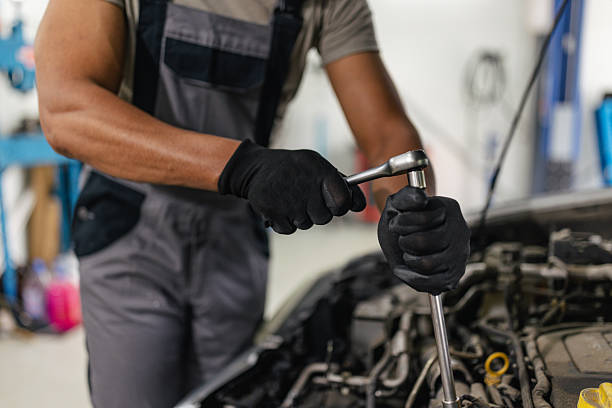
Owning a performance-oriented vehicle—whether a sports car, luxury sedan, or high-performance SUV—comes with unique responsibilities. Unlike standard daily drivers, these vehicles operate at higher speeds, higher temperatures, and with more stress on engine, drivetrain, and suspension components. As a result, following a precise maintenance schedule is crucial to preserve performance, reliability, and safety.
At Elite Performance Automotive in McKinney, Texas, we specialize in performance vehicle maintenance, helping owners keep their cars running at peak efficiency. Here’s a detailed guide on what maintenance schedules work best for performance-oriented vehicles and why routine care is so important.
Why Performance Vehicles Require Specialized Maintenance
Performance vehicles are engineered for speed, precision, and power, which also means:
- Higher Engine Stress: Engines produce more horsepower and torque, generating greater heat and wear
- Advanced Suspension Systems: Handling systems require precision adjustments for optimal performance
- Sensitive Electronics: ECUs, sensors, and turbochargers require accurate calibration
- Aggressive Driving Impact: Frequent high-speed acceleration, braking, and cornering place extra strain on components
A standard maintenance schedule designed for everyday vehicles is often insufficient for performance-oriented cars. Ignoring specific needs can lead to reduced performance, higher repair costs, and safety risks.
Key Components to Include in a Performance Vehicle Maintenance Schedule
- Engine and Fluids
Oil and Filter Changes
- High-performance engines require premium synthetic oils
- Change intervals are shorter than standard vehicles, typically every 3,000–5,000 miles or per manufacturer recommendations
Coolant System Maintenance
- High-performance engines run hotter; proper coolant prevents overheating
- Flush and replace coolant according to vehicle-specific schedules
Transmission Fluid and Differential Maintenance
- Automatic and manual transmissions in performance vehicles are under greater stress
- Use OEM or high-performance fluids and adhere to manufacturer intervals
- Brakes
Brake Pads and Rotors
- High-performance vehicles demand brakes that can handle frequent high-speed stops
- Inspect pads and rotors every 5,000–7,500 miles or after track sessions
Brake Fluid
- High-performance brake fluid resists higher temperatures
- Flush and replace at least once a year or after extreme driving
- Suspension and Steering
- Inspect shocks, struts, bushings, and sway bars regularly
- Wheel alignment should be checked frequently, especially after track use or aggressive cornering
- Performance suspension components may require shorter service intervals than standard vehicles
- Tires and Wheels
- Check tire pressure weekly for optimal grip and handling
- Rotate tires and inspect for uneven wear every 3,000–5,000 miles
- Performance tires wear faster; monitor tread depth closely and replace promptly
- Air and Fuel Systems
Air Filters
- High-performance engines rely on clean airflow
- Inspect and replace air filters more frequently than standard vehicles
Fuel System
- Clean fuel injectors and fuel filters regularly to maintain proper fuel delivery
- Ensures consistent engine performance and avoids misfires
- Electronics and Engine Management
- Performance vehicles often rely on advanced ECUs, turbochargers, and sensors
- Check for software updates and ECU diagnostics regularly
- Ensure all engine management systems are functioning correctly to maintain peak performance
Sample Maintenance Schedule for Performance Vehicles
| Component | Interval | Notes |
| Oil & Filter | 3,000–5,000 miles | Use premium synthetic oil |
| Coolant | 2–3 years or 30,000 miles | Ensure proper temperature regulation |
| Transmission Fluid | 30,000–50,000 miles | Use OEM or high-performance fluid |
| Brake Pads | 5,000–7,500 miles | More frequent after aggressive driving |
| Brake Fluid | Annually | High-temp fluid recommended |
| Suspension & Alignment | 12,000 miles or after track use | Inspect bushings, shocks, and struts |
| Tires | 3,000–5,000 miles rotation | Replace worn performance tires promptly |
| Air Filter | 12,000 miles | More often in dusty conditions |
| Fuel Filter | 30,000–50,000 miles | Maintain fuel efficiency and engine health |
| ECU / Sensors | Annually | Diagnostics and software updates |
Why Professional Maintenance Matters
Performance vehicles require specialized expertise. DIY maintenance may overlook:
- Subtle signs of wear on high-performance components
- Correct torque specifications for suspension and drivetrain
- Calibration of ECUs, sensors, and forced induction systems
At Elite Performance Automotive, we provide:
- Precision inspections for engines, transmissions, brakes, and suspension
- Professional fluid and filter replacements using high-quality materials
- Performance tuning and diagnostics for peak power and efficiency
- Track and aggressive driving support for enthusiasts
Professional service ensures every component performs optimally and safely.
Benefits of Following a Performance Vehicle Maintenance Schedule
- Maximized Performance: Engines, brakes, and suspension operate at peak efficiency
- Enhanced Safety: Well-maintained brakes, suspension, and tires reduce risk in high-speed scenarios
- Better Reliability: Reduces unexpected breakdowns and costly repairs
- Longer Vehicle Lifespan: Components wear evenly and last longer with proactive maintenance
- Preserved Value: Documentation of regular maintenance improves resale and trade-in value
A structured maintenance schedule protects your investment while keeping your vehicle ready for both daily driving and performance situations.
Tips for Performance Vehicle Owners
- Track Your Maintenance: Keep a log of all service, upgrades, and inspections
- Use OEM or High-Quality Parts: Avoid generic parts that compromise performance
- Inspect Before and After Track Sessions: Track driving places extreme stress on components
- Consult Professionals: For high-performance vehicles, professional guidance ensures safe and effective maintenance
- Adjust Based on Driving Habits: Aggressive driving, towing, or off-road use may require more frequent service
Final Thoughts
Maintaining a performance-oriented vehicle is about more than just checking the oil. Every component—from the engine and transmission to brakes, suspension, and tires—requires timely inspection, service, and professional attention. Following a structured maintenance schedule ensures your vehicle remains powerful, efficient, and safe under all driving conditions.
For drivers in McKinney, Plano, Frisco, and surrounding North Texas, Elite Performance Automotive specializes in maintenance, performance tuning, and diagnostics for high-performance vehicles. Our team ensures your car operates at its full potential, whether it’s a daily driver, weekend sports car, or track-ready machine.
Remember: consistent, expert maintenance is the key to unlocking and preserving your vehicle’s performance and reliability.