
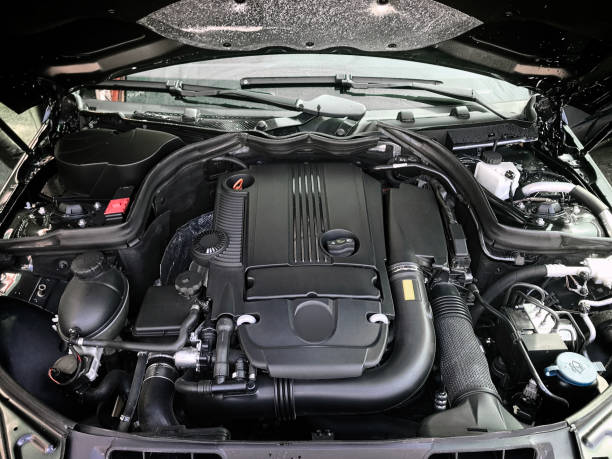
Your vehicle’s engine is a finely tuned machine that relies on precise temperatures to operate efficiently. The cooling system plays a critical role in keeping the engine at its ideal temperature, preventing overheating, and maintaining optimal performance. When cooling system components fail or degrade over time, it doesn’t just risk engine damage—it can also significantly reduce engine power, efficiency, and reliability.
At Elite Performance Automotive in McKinney, Texas, we help drivers identify and repair cooling system issues before they compromise engine performance. Understanding how cooling problems affect your engine is essential for maintaining power, fuel efficiency, and long-term vehicle health.
How the Cooling System Works
The cooling system is designed to regulate engine temperature by circulating coolant through the engine block, absorbing heat, and transferring it to the radiator for dissipation. Key components include:
- Radiator: Releases heat from the coolant to the outside air
- Water Pump: Circulates coolant through the engine and radiator
- Thermostat: Regulates coolant flow based on engine temperature
- Hoses: Connect various components and transport coolant
- Cooling Fans: Help move air through the radiator at low speeds or idle
A fully functional cooling system ensures the engine stays within its ideal operating temperature range, which is critical for combustion efficiency and power output.
How Cooling System Problems Reduce Engine Power
When the cooling system isn’t functioning properly, the engine can overheat or run inefficiently, causing immediate and long-term effects on power.
- Engine Overheating
- High engine temperatures cause the ECU to limit fuel and ignition timing to prevent damage
- Reduced fuel delivery and retarded timing lower horsepower and torque
- Persistent overheating can cause permanent engine damage, including warped cylinder heads and head gasket failure
- Inefficient Combustion
- Coolant regulates engine temperature for optimal air-fuel combustion
- When the engine runs hotter than designed, combustion efficiency drops
- Resulting in lower power output, rough idling, and decreased fuel economy
- Engine Knock and Pre-Ignition
- Overheated engines are prone to engine knock, where fuel ignites prematurely
- Knock reduces engine efficiency and can lead to long-term damage
- ECU may limit performance to prevent knock, reducing power delivery
- Increased Stress on Other Components
- Overheating forces additional stress on lubrication, turbochargers, and pistons
- Excessive heat can degrade oil faster, reducing its ability to lubricate critical parts
- Worn or overheated components contribute to lower overall engine performance
Common Cooling System Problems
Understanding the root causes of cooling system issues helps prevent long-term engine power loss:
- Low Coolant Levels
- Low coolant reduces heat absorption and transfer
- Can cause overheating during normal or high-demand driving
- Solution: Check and top off coolant regularly
- Leaks
- Common at radiator, hoses, water pump, or heater core
- Leaks reduce coolant volume, leading to overheating
- Solution: Identify and repair leaks promptly
- Faulty Thermostat
- Stuck closed: Prevents coolant from flowing, causing overheating
- Stuck open: Engine runs too cool, reducing efficiency and power
- Solution: Replace faulty thermostats
- Malfunctioning Water Pump
- Failing pumps reduce coolant circulation
- Can cause localized hotspots and inconsistent engine temperatures
- Solution: Replace worn or damaged water pumps
- Clogged or Damaged Radiator
- Debris or corrosion reduces airflow and heat dissipation
- Leads to overheating under load
- Solution: Flush or replace radiators as needed
- Cooling Fan Issues
- Electric or belt-driven fans failing to operate
- Overheating at idle or in traffic
- Solution: Repair or replace fans to maintain proper airflow
Symptoms of Cooling System Problems
Drivers should watch for early warning signs of cooling system issues:
- Rising temperature gauge or overheating light
- Coolant leaks under the vehicle
- Unusual steam from the engine bay
- Sweet smell of coolant inside or outside the vehicle
- Engine running hotter than normal or inconsistent temperature readings
- Reduced acceleration or sluggish engine performance
Ignoring these symptoms can cause permanent engine damage and sustained power loss.
How Elite Performance Automotive Addresses Cooling System Issues
At Elite Performance Automotive, we provide comprehensive cooling system services to prevent and repair issues before they impact engine performance:
- Coolant Inspection and Replacement: Maintain proper coolant level and composition
- Radiator Cleaning or Replacement: Ensure efficient heat dissipation
- Thermostat and Water Pump Replacement: Restore proper coolant flow
- Hose Inspection and Repair: Prevent leaks and bursts
- Cooling Fan Diagnostics and Repair: Ensure airflow for all driving conditions
- Complete System Flush: Remove debris and old coolant for optimal performance
Our expert technicians ensure your cooling system operates reliably, protecting your engine’s power and efficiency.
Maintenance Tips for Preventing Cooling System Issues
- Regular Coolant Checks: Top off with the correct mixture of antifreeze and water
- Inspect Hoses and Connections: Look for cracks, leaks, or wear
- Flush the System Periodically: Remove sediment, rust, and old coolant
- Monitor Temperature Gauge: Catch rising temperatures before overheating occurs
- Professional Inspections: Have certified technicians assess system health during routine maintenance
Routine attention keeps your cooling system and engine performing at their best.
Benefits of a Well-Maintained Cooling System
- Maintained Engine Power: Optimal temperature ensures full horsepower and torque
- Improved Fuel Efficiency: Efficient combustion reduces wasted fuel
- Prevented Engine Damage: Avoids warped heads, blown gaskets, and overheating-related failures
- Longer Component Life: Protects engine oil, seals, and turbochargers from heat degradation
- Reliable Driving Experience: Smooth operation and peace of mind under all conditions
A healthy cooling system is essential for performance, safety, and vehicle longevity.
Final Thoughts
Cooling system problems don’t just risk catastrophic engine failure—they gradually reduce engine power, efficiency, and drivability. Even minor issues, if ignored, can cause overheating, inefficient combustion, and long-term damage to engine components.
For drivers in McKinney, Plano, Frisco, and surrounding North Texas, Elite Performance Automotive provides expert cooling system inspections, maintenance, and repairs. Our team ensures your engine remains cool, powerful, and reliable, whether you’re commuting, towing, or pushing your performance vehicle to its limits.
Remember: a properly maintained cooling system protects engine power and performance while safeguarding your vehicle’s longevity. Don’t wait until symptoms become serious—early attention preserves both safety and driving enjoyment.